
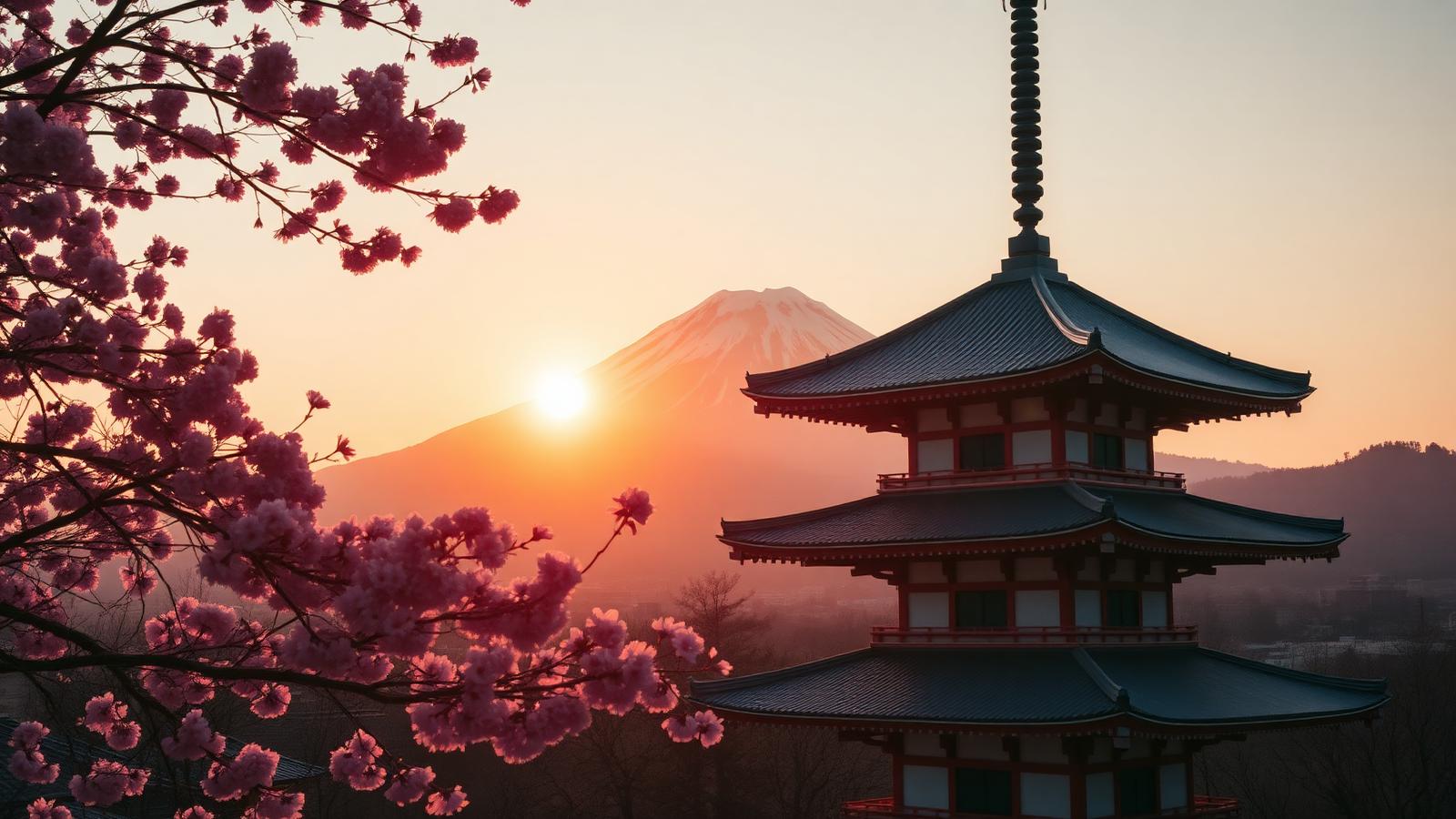
Japan rewards travellers who go beyond the obvious. The big three — Tokyo, Kyoto and Osaka — are unmissable, but it is the smaller ports that tend to stay with people: a castle town on Shikoku, a volcano smoking across a bay in Kyushu, Mount Fuji rising out of the sea at dawn.
This guide covers the destinations we send clients to most, whether by bullet train, small ship or a combination of the two — plus Busan in South Korea, an easy and rewarding addition to almost any itinerary.
The Destinations, One by One
What each city is really like, and what to do with your time there.
Tokyo, Japan
Best for first-timers and city energy
Yokohama or Tokyo (Harumi / Daikoku)
The most exhilarating city on earth: neon crossings in Shibuya, quiet shrine gardens at Meiji Jingu, the old-Tokyo lanes of Yanaka and more Michelin stars than anywhere else. Two or three nights barely scratches it — four is better.
Highlights: Senso-ji temple, Shibuya Crossing, teamLab, Tsukiji outer market, Ginza, a day trip to Hakone or Nikko.
Kyoto, Japan
Best for temples, geisha districts and gardens
Reached from Kobe or Osaka (about 1 hour)
Japan's cultural heart, with 1,600 temples, raked gravel gardens and the lantern-lit lanes of Gion. Go early or late in the day to have the famous sights largely to yourself.
Highlights: Fushimi Inari's torii gates, Kinkaku-ji, Arashiyama bamboo grove, Gion, Nishiki market, a tea ceremony.
Kobe & Osaka, Japan
Best for food
Kobe Port Terminal / Osaka Tempozan
Osaka is Japan's kitchen — takoyaki, okonomiyaki and the riotous neon of Dotonbori. Kobe is calmer and prettier, wedged between mountains and sea, and famous the world over for its beef.
Highlights: Dotonbori, Osaka Castle, Kobe beef teppanyaki, Nunobiki Herb Gardens, Mount Rokko views, Nara's deer park nearby.
Kochi City, Kochi
Best for authentic, uncrowded Japan
Kochi Shinko
On the Pacific coast of Shikoku, Kochi is warm, green and refreshingly untouristed. One of only twelve original castles in Japan survives here, and the Sunday market has run along the same street for 300 years.
Highlights: Kochi Castle, Hirome Market, seared bonito (katsuo no tataki), Katsurahama beach, Shimanto River.
Nagasaki City, Nagasaki
Best for history
Matsugae International Terminal (city centre)
A hillside harbour city with a European and Chinese trading past you can still see in its churches, cobbles and cuisine. The Peace Park and Atomic Bomb Museum are moving and beautifully done.
Highlights: Peace Park, Glover Garden, Dejima, Mount Inasa night view, Chinatown, Gunkanjima island trips.
Kagoshima City, Kagoshima
Best for volcanoes and onsen
Kagoshima Marine Port (walkable to town)
The 'Naples of the East', facing the smoking cone of Sakurajima across the bay. Warm southern climate, samurai history and the wonderfully odd Ibusuki sand baths just down the coast.
Highlights: Sakurajima ferry, Sengan-en garden, Ibusuki sand baths, Shiroyama viewpoint, kurobuta pork.
Shimizu, Shizuoka
Best for Mount Fuji views
Shimizu Port (Fuji views from the ship)
The single best port in Japan for Mount Fuji, which rises straight out of the bay on a clear morning. Shizuoka is also Japan's green-tea heartland, with plantations climbing the hillsides above the coast.
Highlights: Miho no Matsubara pine grove, Nihondaira ropeway, Kunozan Toshogu shrine, tea tasting, Fuji photo stops.
Busan, South Korea
Best add-on beyond Japan
Busan International Cruise Terminal
A short hop across the strait and a complete change of pace: Korea's second city mixes vast seafood markets, hillside villages painted in every colour and some of the best beaches in Asia.
Highlights: Gamcheon Culture Village, Jagalchi fish market, Haeundae beach, Beomeosa temple, Korean BBQ and spa culture.
Destination Comparison Table
A side-by-side look at atmosphere, ports and how long to spend.
| Destination | Country | Atmosphere | Cruise port | Time needed | Best for |
|---|---|---|---|---|---|
| Tokyo | Japan | Electric metropolis | Yokohama / Tokyo | 3–4 nights | First-timers, food, shopping |
| Kyoto | Japan | Traditional & serene | Via Kobe / Osaka | 2–3 nights | Temples & culture |
| Kobe–Osaka | Japan | Lively & delicious | Kobe / Osaka | 1–2 nights | Food lovers |
| Kochi | Japan | Rural & genuine | Kochi Shinko | Day call | Off the tourist trail |
| Nagasaki | Japan | Historic & poignant | Matsugae (central) | Day call | History & harbour views |
| Kagoshima | Japan | Volcanic & warm | Marine Port | Day call | Onsen & scenery |
| Shimizu | Japan | Coastal & scenic | Shimizu Port | Day call | Mount Fuji views |
| Busan | South Korea | Bold & coastal | Cruise terminal | Day call / 2 nights | Korean food & beaches |
When to Visit Japan
Blossom, colour, crowds and price change dramatically through the year.
March – May (cherry blossom)
The most sought-after season. Blossom typically reaches Kagoshima and Kochi in late March and Tokyo in early April. Book ten to twelve months ahead — hotels and cruise cabins sell out early.
June – August (green season)
Warm and humid, with a rainy spell in June and typhoon risk from August. Summer festivals are spectacular and the southern ports of Kagoshima and Nagasaki are at their most vivid.
September – November (autumn colour)
Our favourite window. Crisp, clear days, the best chance of a cloud-free Mount Fuji from Shimizu and blazing maple colour in Kyoto through late November.
December – February (winter)
Cold in the north but dry and bright, with the fewest crowds and the lowest prices. Excellent for city breaks, onsen towns and skiing add-ons.
A Suggested 14-Night Itinerary
How we typically combine the cities and the ports.
Nights 1–4 · Tokyo
Arrive at Haneda and settle in with a day of shrines and back streets, then Shibuya, Ginza and a day trip to Hakone for onsen and Fuji views.
Nights 5–7 · Kyoto & Osaka
Shinkansen to Kyoto for temples, Gion and Arashiyama, then an evening in Osaka's Dotonbori before boarding in Kobe.
Nights 8–14 · The cruise
Sail via Kochi, Nagasaki, Kagoshima and Busan, finishing with a Mount Fuji sunrise at Shimizu and disembarking at Yokohama.
Four Things Worth Knowing Before You Book
Cruise or rail — or both
A cruise reaches Kochi, Nagasaki, Kagoshima and Shimizu without repacking. A rail trip suits Tokyo, Kyoto and Osaka. The best trips combine a few nights on land before or after the sailing.
Get a rail pass only if it pays
Since the price rise, a Japan Rail Pass only saves money on multiple long shinkansen legs. For a simple Tokyo–Kyoto–Osaka route, individual tickets are usually cheaper. We'll do the maths for you.
Cash, IC cards and connectivity
Japan is increasingly card-friendly but rural Kochi and Kagoshima still favour cash. A Suica or ICOCA card covers trains, buses and convenience stores, and an eSIM saves roaming costs.
Busan needs its own paperwork
Korea requires K-ETA authorisation for most UK travellers arriving by air; cruise passengers calling at Busan are usually processed on board, but check with us before you travel.
Plan Your Japan Holiday
From bullet-train itineraries to small-ship sailings around Kyushu and Shikoku, we build Japan trips around how you like to travel — with added value, upgrades and flexible payment options.
Port calls, sailing times, attractions and entry requirements are indicative and subject to change without notice. This page is intended as a guide only and we recommend clients verify up to date information with airlines, cruise lines and suppliers directly before booking.